

Skip to content

NOVA Acoustics

Visit Songbird Acoustic Panels

Home » Service Parent

Service Parent

IOA Members

Trade Accounts 

Price Promise

Rapid Reports

Sound Insulation Design

To help developers, architects and builders specify the correct products to achieve the requirements of Part E of the Building Regulations.

Approved Document E Advice | Value Engineered

Projects in 2025
1725 +
Projects to date
14248 +

Get in Touch


    Response within 1 working day

    Expert acoustic consultancy, delivered across the UK.

    Sound insulation design is the process of designing walls, floors and ceilings to achieve the sound insulation requirements of Approved Document E (Part E) of the Building Regulations and project-specific acoustic performance targets. NOVA Acoustics provides sound insulation design advice for new-build and conversion developments, producing compliant acoustic details, construction specifications and bespoke soundproofing solutions to help developers, architects and contractors achieve successful pre-completion sound testing and deliver high-quality building acoustics.

    See Also...

    Soundproofing Floor Design
    Soundproofing Designs for Party Walls to achieve compliance with Part E of the Building Regulations.

    Soundproofing Wall Design

    Soundproofing Designs for Party Walls to achieve compliance with Part E of the Building Regulations.
    Soundproofing Products
    We specialise in providing soundproofing products to help builders, contractors and architects comply with Part E of the Building Regulations.
    Nationwide UKAS-accredited sound insulation testing services with a quick and reliable turnaround.

    Simple, fast & fully managed

    Request a quote

    Confirm your survey date

    On-site assessment

    Rapid Report 

    Submit to decision maker

    What our clients have to say

    Our Sound Testing Services

    Airborne Testing

    Impact Testing

    New Build Testing

    Conversion Testing

    License to Alter Testing

    Who We Work With

    House Builders

    Property Developers

    Architects & Contractors

    Homeowners

    Project Managers

    Housing Associations

    Free Soundproofing Guidance

    Achieving compliance with Part E of the Building Regulations can often feel overwhelming, particularly when trying to navigate the many sound insulation requirements involved in a development. Drawing on our extensive experience in acoustic design, specification, and compliance testing, we have created a library of free guidance specifically for architects, developers, specifiers, and contractors.

    Our practical resources cover common soundproofing challenges and provide clear advice on wall and floor constructions to help simplify the design process and improve the likelihood of achieving compliance first time. Explore our soundproofing guidance to find solutions that may be suitable for your project.

    Acoustic Design Support

    For projects requiring more tailored advice, NOVA Acoustics offers a bespoke acoustic design service to support developments of all sizes. Our acoustic consultants can be involved as much or as little as required, from initial site visits and baseline reviews through to complete acoustic design packages and technical reports.

    Whether you need practical guidance during the construction phase or a comprehensive strategy demonstrating compliance with Part E of the Building Regulations, our team can provide expert support throughout the project. Contact our friendly acoustic consultants today to discuss your development and take the stress out of soundproofing compliance.

    Book your assessment.

    Soundproofing Walls

    In many cases, yes — especially for construction, demolition, or industrial projects near residential or sensitive areas. Local authorities increasingly require monitoring as part of planning conditions or environmental permits.

    Even when it’s not explicitly required, monitoring is often essential to protect your project. Without it, you risk complaints, enforcement action, or even stop notices if issues arise. Monitoring provides real-time evidence and control, helping you demonstrate compliance and avoid unnecessary disruption.

    Acoustic design should be considered as early as possible in the design process. Early involvement helps avoid costly remedial works, construction delays, and failed sound insulation tests later in the project.
    The most suitable wall construction will depend on the building type, development layout, available space, and performance requirements. We can advise on masonry, timber frame, metal stud, and independent lining systems.

    No — even smaller projects can require monitoring if they are close to sensitive receptors or involve noisy or disruptive activities.

    Local authorities focus more on impact and location than project size, so even short-term works can require monitoring depending on the risk.

    Effective soundproofing measures typically include increasing mass, introducing cavity insulation, reducing rigid connections, and sealing air gaps that allow sound transmission.

    Soundproofing Floors

    A range of floor constructions can achieve compliance, including concrete separating floors, timber separating floors, floating floor systems, and specialist acoustic floor treatments.
    Impact noise can be reduced by incorporating acoustic floor coverings, resilient layers, floating floor systems, acoustic underlays, and carefully designed floor constructions.
    Yes. Timber floors are often more susceptible to both airborne and impact noise transmission and typically require specific acoustic treatments to achieve regulatory compliance.
    Yes. Many acoustic floor systems are specifically designed for refurbishment and conversion projects where improving sound insulation is a requirement.

    Part E Building Regulations

    Part E sets minimum standards for resistance to the passage of sound between dwellings and rooms for residential purposes in England and Wales.
    Part E applies to new-build residential developments, apartment schemes, housing developments, mixed-use projects, and many building conversion projects.

    Yes — monitoring is one of the most effective ways to prevent complaints.

    By tracking noise, vibration, and dust levels in real time, you can identify potential issues early and address them proactively. This helps maintain good relationships with neighbours and reduces the risk of disputes or formal complaints.

    Many developments require pre-completion sound insulation testing to demonstrate compliance. However, some projects may qualify for alternative approaches under approved construction details or similar schemes.Yes — when properly implemented, monitoring systems provide the data and reporting required by local authorities.

    We can also liaise directly with environmental health officers to agree monitoring strategies, ensuring your setup meets all requirements from the outset.

    Acoustic Design Services

    While not always mandatory, involving an acoustic consultant early in the design process can help avoid compliance issues, reduce costs, and increase the likelihood of passing sound insulation testing first time.
    Yes. We can review drawings, specifications, and construction details to identify potential acoustic issues and recommend practical solutions before work begins.Part E applies to new-build residential developments, apartment schemes, housing developments, mixed-use projects, and many building conversion projects.

    Yes — monitoring is one of the most effective ways to prevent complaints.

    By tracking noise, vibration, and dust levels in real time, you can identify potential issues early and address them proactively. This helps maintain good relationships with neighbours and reduces the risk of disputes or formal complaints.

    Yes. We can undertake site visits to assess existing constructions, identify potential problem areas, and provide practical recommendations for achieving compliance.
    Yes. We can prepare detailed acoustic design reports outlining suitable construction details and demonstrating how a development can achieve compliance with Part E of the Building Regulations.
    Simply contact our team with details of your development. We can discuss your requirements and recommend the most appropriate level of acoustic design support for your project.

    Recent Projects

    Reverberation Testing, Consultancy, Design and Installation of Acoustic Panelling.

    Acoustic Consultancy and Design for Breeam HEA05 and POL05.

    Reverberation Testing, Consultancy, Design and Installation of Acoustic Panelling.

    Who we work with

    IOA Members

    Trade Accounts

    Price Promise

    Rapid Reports

    UK Wide Noise Surveys & Assessments

    Professional noise surveys to support planning applications, environmental compliance, and development projects.

    Secure Planning Faster | Clear, Reliable Noise Assessments

    Projects in 2025
    1725 +
    Projects to date
    14248 +

    Get in Touch


      Response within 1 working day

      Noise Surveys

      Expert acoustic consultancy, delivered across the UK.

      NOVA Acoustics provides a full range of noise survey services across the UK, including environmental noise surveys, industrial and commercial noise assessments, construction noise monitoring, workplace noise risk assessments, and noise impact assessments for planning applications. All surveys are conducted by qualified acoustic consultants and reported against the relevant British Standards and regulatory frameworks.

      Simple, fast & fully managed

      Request a quote

      Confirm your survey date

      On-site survey 

      Rapid clear report

      Submit to decision maker

      What our clients have to say

      Our Noise Survey Services

      Who We Work With

      House Builders

      Offices

      Architects & Contractors

      Homeowners

      Project Managers

      Housing Associations

      Trade accounts with preferential pricing.

      Preferential pricing for ongoing projects, project coordination support, priority scheduling and dedicated contact. 

      Local expertise. Nationwide coverage.

      Do you need
      a Noise Survey?

      You are likely to require a noise survey if your project involves:

      • Planning applications for residential or mixed-use developments
      • Sites near roads, railways, or industrial noise sources
      • Commercial or industrial operations generating noise
      • Environmental permits or licensing applications

      Why choose
      NOVA Acoustics?

      Speak to an expert.

      Frequently Asked Questions

      In many cases, yes — particularly if your project involves planning, environmental compliance, or potential impact on nearby properties. Local authorities and regulators often require evidence that noise levels are acceptable before approving developments or operations.

      Even when not explicitly stated at the start, noise surveys are one of the most common reasons for planning delays or requests for further information. Carrying out a survey early helps identify risks, demonstrate compliance, and avoid unexpected issues later in the process.

      Noise surveys are typically required for:

      • Planning applications (especially residential developments)
      • Sites near roads, railways, or industrial areas
      • Environmental permits and licensing
      • Commercial or industrial operations generating noise

      If your project could affect or be affected by noise, there is a strong chance a survey will be needed to support your application or compliance obligations.


      Yes, but it can lead to delays. If noise is a relevant factor, planners will often request additional information during the review process.

      This means you may need to pause your application, commission a survey, and resubmit documentation — which can delay your project by weeks or even months.

      Providing a noise survey upfront shows a proactive and compliant approach, helping your application progress more efficiently.

      Not carrying out a noise survey can result in:

      • Planning refusal or delays
      • Objections from environmental health officers
      • Complaints from neighbours or stakeholders
      • Additional costs from redesign or mitigation later

      A professional survey provides the evidence needed to support your project and reduce risk.

      No — planning approval depends on multiple factors. However, a well-prepared noise survey significantly strengthens your application by demonstrating compliance and addressing potential concerns.

      In many cases, it helps prevent objections and reduces the likelihood of requests for further information.

      Types of Noise Surveys

      We provide a full range of surveys, including:

      Each survey is tailored to your specific project requirements and regulatory context.

      A residential noise survey assesses noise levels at a proposed development site to ensure future occupants will not be adversely affected.

      It is commonly required for planning applications and considers factors such as traffic noise, nearby industry, and environmental conditions.

      An environmental noise survey measures and assesses noise from external sources such as roads, railways, or industrial activity.

      It is used to evaluate how noise affects a site or surrounding area and to support planning or environmental compliance.

      A noise impact assessment predicts how noise from your development will affect surrounding properties.

      It involves measuring baseline noise levels, modelling future noise, and assessing compliance with relevant standards. This is commonly required for planning applications involving plant, equipment, or commercial activity.

      Timescales & Process

      A BS4142 noise assessment is

      We can usually begin within a few days of instruction, depending on site access and project requirements.

      For urgent projects, we offer flexible scheduling and can prioritise surveys and reporting to meet tight deadlines.

      The duration depends on the complexity of your project and the type of survey required.

      • Simple surveys may be completed within a day
      • More detailed monitoring may take several days or longer
      • Reporting is typically completed within a few days to 1–2 weeks

      We aim to align with your project programme and can offer faster turnaround where required.

      During a noise survey, we measure sound levels using specialist equipment under representative conditions.

      This may include:

      • Short-term attended measurements
      • Longer-term unattended monitoring
      • Identification of key noise sources

      The goal is to capture accurate, real-world data that reflects how noise behaves at your site.

      No — noise surveys are non-intrusive and designed to minimise disruption.

      Equipment is compact and unobtrusive, and our consultants work efficiently without interfering with your operations or activities.

      You will receive a clear, planning-ready report that includes:

      • Measured noise levels
      • Assessment against relevant standards
      • Conclusions on compliance
      • Recommendations for mitigation if required

      The report is designed to be easy to understand and ready for submission.

      Costs & Value

      Costs vary depending on:

      • Site size and complexity
      • Monitoring duration
      • Type of assessment required

      We provide clear, tailored quotes based on your project, with no hidden fees.

      No — addressing noise issues later is usually far more expensive.

      Late-stage mitigation can involve redesign, additional construction costs, or project delays. Identifying issues early allows solutions to be built into the design, saving time and money.

      A noise survey helps you:

      • Demonstrate compliance with planning requirements
      • Reduce the risk of objections or delays
      • Avoid costly redesign or mitigation
      • Progress your project with confidence

      It provides the evidence needed to support decision-making and approvals.

      Technical & Compliance

      We follow recognised UK standards and guidance, including:

      • BS4142 (industrial and commercial noise)
      • BS8233 (internal noise levels)
      • ProPG (planning guidance for residential development)
      • Local authority requirements

      This ensures your report is robust, credible, and suitable for submission.

      Yes — our reports are prepared in line with recognised standards and are suitable for submission to planning authorities and environmental health departments.

      We present findings clearly to minimise queries and help facilitate approval.

      If noise levels exceed acceptable limits, we provide practical mitigation strategies such as:

      • Acoustic barriers or screens
      • Building design adjustments
      • Enhanced glazing or insulation
      • Equipment modifications

      Our goal is to help you achieve compliance and move forward with your project.

      Working With NOVA Acoustics

      Yes — we operate across the UK with a network of experienced acoustic consultants, allowing us to provide fast, local support with consistent quality.

      Yes — we regularly work to tight project timelines and can offer expedited surveys and reporting where required.

      Yes — we support projects of all sizes, from small developments to large, complex schemes.

      Every project receives the same level of expertise and attention.

      Yes — we regularly collaborate with architects, planning consultants, developers, and contractors to ensure acoustic considerations are fully integrated into the project.

      We focus on delivering:

      • Clear, practical advice
      • Fast turnaround times
      • Reports designed for approval
      • Real-world, cost-effective solutions

      Our aim is not just to assess noise, but to help your project progress successfully.

      Yes — we manage the full process from initial consultation through to survey, analysis, and reporting.

      We aim to make the process straightforward and hassle-free, so you can focus on progressing your project.

      Recent Projects

      Reverberation Testing, Consultancy, Design and Installation of Acoustic Panelling.

      Acoustic Consultancy and Design for Breeam HEA05 and POL05.

      Reverberation Testing, Consultancy, Design and Installation of Acoustic Panelling.

      Who we work with

      IOA Members

      Trade Accounts 

      Price Promise

      Rapid Reports

      UK Wide Acoustic Consultants

      Acoustic consultants providing professional support for planning, design, and compliance from initial concept through to project completion.

      Planning Approval Made Easy | Local Engineers | Fast Turnaround

      Projects in 2025
      1725 +
      Projects to date
      14248 +

      Get in Touch


        Response within 1 working day

        Acoustic Consultancy

        Expert acoustic consultancy, delivered across the UK.

        NOVA Acoustics is a specialist acoustic consultancy providing noise surveys, UKAS-accredited sound insulation testing (Laboratory No. 8568), noise impact assessments, workplace noise risk assessments, and environmental monitoring across the UK. The company operates from offices in Leeds, Manchester, London, Birmingham, Liverpool, Cambridge, Newcastle, Nottingham, Sheffield, Bristol, and Hull, serving developers, architects, contractors, land owners, and planning consultants.

        Simple, fast & fully managed

        Request a quote

        Confirm your survey date

        On-site survey

        Rapid clear reports

        Submit to decision maker

        What our clients have to say

        Who We Work With

        House Builders

        Property Developers

        Architects & Contractors

        Homeowners

        Project Managers

        Housing Associations

        Trade accounts with preferential pricing.

        Preferential pricing for ongoing projects, project coordination support, priority scheduling and dedicated contact. 

        Local expertise. Nationwide coverage.

        Unparalleled expertise. Local knowledge.

        With highly experienced specialists across the UK, we’re here to support your residential and commercial needs.

        Why choose NOVA Acoustics?

        Book your sound test.

        Frequently Asked Questions

        In many cases, yes — particularly if your project involves planning, noise-generating equipment, or is located near residential or noise-sensitive areas. Local authorities often require acoustic evidence to demonstrate that your development will not negatively impact nearby properties.

        Even if it’s not explicitly requested at the outset, acoustic reports are one of the most common reasons for planning delays or requests for further information. Engaging an acoustic consultant early helps you understand requirements upfront, reduce risk, and avoid unnecessary delays later in the process.

        Technically, you can submit an application without one — but it often leads to complications. If noise is a potential concern, planners will typically request an acoustic assessment during the review process.

        This results in delays while you organise surveys, gather data, and resubmit information. In some cases, objections from environmental health officers or local residents can arise before you’ve had a chance to address noise issues properly.

        Including an acoustic report from the beginning demonstrates a proactive and compliant approach, helping your application progress more smoothly and improving your chances of approval.

        The earlier, the better — ideally at the pre-planning or early design stage.

        Early involvement allows potential noise issues to be identified before designs are finalised. This means mitigation can be incorporated into the layout, orientation, or specification of the development, rather than requiring costly changes later.

        Waiting until after submission or during construction often leads to:

        • Redesign costs
        • Delays in approvals
        • More complex and expensive mitigation measures


        Early advice is typically the most cost-effective approach.

        Failing to carry out an acoustic assessment can expose your project to several risks, including:

        • Planning refusal or delays
        • Objections from environmental health officers
        • Complaints from neighbours or stakeholders
        • Additional costs due to late-stage mitigation

        In some cases, you may also be required to carry out retrospective assessments, which can slow down your project and increase costs.

        An acoustic assessment provides the evidence needed to demonstrate compliance and reduce uncertainty, helping your project move forward with confidence.

        No consultant can guarantee planning approval, as the final decision rests with the local authority. However, a professionally prepared acoustic report significantly strengthens your application.

        By clearly demonstrating that your development complies with relevant standards and will not cause unacceptable noise impacts, you reduce the likelihood of objections or additional information requests.

        In practice, well-prepared acoustic reports often play a key role in helping applications progress more smoothly and gain approval first time.

        Timescales & Process

        We can typically begin work within a few days of instruction, depending on project requirements and site access. For urgent projects, we offer flexible scheduling and can often prioritise surveys and reporting to meet tight deadlines.

        Early engagement is always recommended, but we understand that planning timelines can be unpredictable — so we aim to be as responsive and adaptable as possible.

        The timeframe depends on the complexity of your project and the level of assessment required.

        • Simple assessments may be completed within a few days
        • More detailed surveys and modelling typically take 1–2 weeks

        Additional time may be required if long-term monitoring is needed. However, we always aim to align with your project programme and can offer expedited reporting where required.

        A noise survey involves measuring sound levels at your site using calibrated equipment.

        This may include:

        • Short-term attended measurements
        • Longer-term unattended monitoring
        • Identification of key noise sources and patterns

        Surveys are carried out during representative conditions to ensure accurate results that reflect real-world scenarios.

        No — surveys are designed to be non-intrusive and will not interfere with your normal operations.

        Equipment is typically small and unobtrusive, and our consultants work efficiently to minimise any disruption. In most cases, you will not need to make any changes to your usual activities.

        Once the assessment is complete, you will receive a detailed, easy-to-understand report that includes:

        • Measured and predicted noise levels
        • Assessment against relevant standards
        • Clear conclusions on compliance
        • Recommendations for mitigation if required

        The report is designed to be planning-ready, meaning it can be submitted directly as part of your application.

        Costs & Value

        Costs vary depending on several factors, including:

        • The size and complexity of your project
        • The type of assessment required
        • The duration of noise monitoring
        • The level of modelling or analysis needed

        We provide clear, transparent quotes tailored to your specific requirements, with no hidden costs.

        Importantly, engaging an acoustic consultant early is often far more cost-effective than dealing with planning delays or redesign later in the project.

        👉 Contact us for a quick, tailored quote

        Yes — addressing noise issues later in a project is typically far more expensive and disruptive.

        Late-stage mitigation may involve:

        • Redesigning layouts or building elements
        • Installing additional acoustic treatments
        • Delaying construction or planning approval

        By identifying and addressing potential issues early, you can incorporate cost-effective solutions into the design, avoiding unnecessary expense and disruption.

        Services & Technical Information

        We support a wide range of projects across multiple sectors, including:

        • Residential and mixed-use developments
        • Commercial and office spaces
        • Industrial and manufacturing facilities
        • Hospitality and leisure venues

        Our experience ranges from small, single-site developments to large, complex, multi-phase projects. This allows us to provide practical, scalable solutions tailored to your specific needs.

        Our acoustic consultancy services cover all aspects of noise and vibration assessment, including:

        Each service is designed to help you achieve compliance while ensuring your project performs effectively in real-world conditions.

        A noise impact assessment evaluates how noise from your proposed development will affect the surrounding environment.

        This involves measuring existing noise levels, predicting future noise from your project, and assessing whether the impact is acceptable under relevant standards and planning policies.

        It is one of the most commonly required reports for planning applications and plays a key role in demonstrating that your development will not negatively affect nearby occupants.

        We work in accordance with recognised UK standards and guidance, including:

        • BS4142 (industrial and commercial noise)
        • BS8233 (internal noise levels)
        • National Planning Policy Framework (NPPF)
        • Local authority-specific guidance

        Following these standards ensures that your assessment is robust, credible, and suitable for submission.

        Results, Compliance & Support

        If the assessment identifies potential issues, this does not mean your project cannot proceed.

        We will provide clear, practical mitigation strategies to help you achieve compliance. These may include:

        • Acoustic barriers or enclosures
        • Equipment specification changes
        • Layout or design adjustments

        Our aim is to provide solutions that are both effective and cost-efficient, allowing your project to move forward.

        Yes — we go beyond identifying issues by providing detailed recommendations and guidance on how to resolve them.

        Where required, we can work with your design team to integrate acoustic solutions into the project, ensuring they are both practical and effective.

        Yes — we regularly collaborate with architects, planning consultants, developers, and contractors.

        This collaborative approach ensures that acoustic considerations are fully integrated into the design and planning process, helping to avoid conflicts and streamline approvals.

        Yes — our reports are prepared in accordance with recognised standards and are suitable for submission to planning authorities and environmental health departments.

        We ensure that all assessments are clearly presented and professionally documented, helping to minimise queries and facilitate approval.

        In some cases, yes. This may include:

        • Discharge of planning conditions
        • Post-completion testing
        • Ongoing monitoring or compliance checks

        We can support you throughout the full lifecycle of your project, from initial assessment through to completion.

        Working With NOVA Acoustics

        Yes — we operate across the UK with a network of experienced acoustic consultants.

        This allows us to provide fast response times while maintaining consistent quality and standards across all projects.

        Yes — we understand that planning deadlines can be tight and often change at short notice.

        We offer flexible scheduling and expedited reporting where required, helping you keep your project on track.

        We focus on delivering practical, solution-focused advice rather than overly complex reports.

        Our approach is built around:

        • Clear communication
        • Fast turnaround times
        • Real-world, cost-effective solutions
        • A strong understanding of planning requirements

        This ensures that our work not only meets technical standards but also helps your project succeed.

        Yes — we support projects of all sizes, from small developments to large-scale schemes.

        Every project receives the same level of attention and expertise, ensuring you get the support you need regardless of scale.

        Yes — we can assess existing noise problems and provide practical solutions to resolve complaints and achieve compliance.

        This may involve surveys, analysis, and recommendations for mitigation measures tailored to your specific situation.

        Yes — we manage the entire process from initial consultation through to survey, analysis, and reporting.

        Our goal is to make the process as straightforward and hassle-free as possible, allowing you to focus on progressing your project.

        Recent Projects

        Reverberation Testing, Consultancy, Design and Installation of Acoustic Panelling.

        Acoustic Consultancy and Design for Breeam HEA05 and POL05.

        Reverberation Testing, Consultancy, Design and Installation of Acoustic Panelling.

        Who we work with

        IOA Members

        Trade Account Discounts 

        Price Promise

        Rapid Reports

        Workplace Noise Assessments - UK Wide

        Ensure full compliance with the Control of Noise at Work Regulations 2005 with expert-led workplace noise assessments. Clear actionable noise risk assessment reports.

        HSE Compliant Reports | Institute of Acoustics Members

        Projects in 2025
        1725 +
        Projects to date
        14248 +

        Get in Touch


          Response within 1 working day

          Workplace Noise Assessments

          Expert acoustic consultancy, delivered across the UK.

          NOVA Acoustics provides workplace noise surveys and occupational noise risk assessments to help UK employers meet their legal obligations under the Control of Noise at Work Regulations 2005. Assessments identify employee noise exposure levels, determine whether the lower and upper exposure action values are being exceeded, and produce HSE-ready documentation to support compliance.

          Simple, fast & fully managed

          Request a quote

          Confirm your survey date

          On-site assessment

          Rapid clear reports

          Submit to the decision maker

          What our clients have to say

          HOW WE SUPPORT YOU

          Fully compliant report

          Clear explantion of legal duty

          Identification of employees at risk

          Practical & effective noise control

          Ongoing support, if required

          ISO9001, 14001 &45001 Cert

          Who We Work With

          Manufacturing & Industrial
          Construction & Demolition
          Engineering & Workshops

          Warehousing & Logistics

          Entertainment & Leisure
          Energy & Utilities

          Do you need a
          noise risk assessment?

          If your employees are exposed to 80 dB(A) or above, UK law requires you to assess and manage the risk.

          Local expertise. Nationwide coverage.

          Our process.
          Simple & hassle free.

          How much does a
          noise at work survey cost?

          Book your survey.

          Frequently Asked Questions

          Occupational noise assessment reports must be undertaken if employees are likely to be exposed to noise at above lower noise exposure action values set out by the HSE. The Control of Noise at Work Regulations 2005 (Noise Regulations 2005) requires employers to prevent or reduce risks to health and safety from exposure to noise at work.

          Do You Have a Noise Problem?’; As a simple guide, you will likely require a workplace noise impact assessment if any of the following apply:

          1. Is the noise intrusive for most of the working day? Examples could include exposure to noise from a busy street, a vacuum cleaner or a crowded restaurant.

          2. Do your employees have to raise their voices to carry out a normal conversation when about 2 m apart for at least part of the day?

          3. Do your employees use noisy powered tools or machinery for more than half an hour each day?

          4. Do you work in a noisy industry? Examples can include; construction, demolition or road repair, woodworking, plastics processing, engineering, textile manufacture, general fabrication, forging, pressing or stamping, paper or board making, canning or bottling, and foundries.

          5. Is there noise due to impacts (such as hammering, drop forging, pneumatic impact tools etc), explosive sources such as cartridge-operated tools or detonators, or guns? Noise can also be a safety hazard at work, interfering with communication and making warnings harder to hear.

          The Control of Noise at Work Regulations 2005 (Noise Regulations 2005) requires employers to prevent or reduce risks to health and safety from exposure to noise at work. Employees have duties under the Regulations too.

          The Regulations require you as an employer to:

          1. Assess the risks to your employees from noise at work;

          2. Take action to reduce the noise exposure that produces those risks;

          3. Provide your employees with hearing protection if you cannot reduce the noise exposure enough by using other methods;

          4. Make sure the legal limits on noise exposure are not exceeded;

          5. Provide your employees with information, instruction and training;

          6. Carry out health surveillance where there is a health risk.

          The Regulations do not apply to:

          1. Members of the public exposed to noise from their non-work activities, or making an informed choice to go to noisy places;

          2. Low-level noise that is a nuisance but causes no risk of hearing damage.

          3. Employers in the music and entertainment sectors have until 6 April 2008 to comply with the Noise Regulations 2005. Meanwhile, they must continue to comply with the Noise at Work Regulations 1989, which the 2005 Regulations replace for all other workplaces.

          The Noise Regulations require you to take specific action at certain action values:

          1. Lower exposure action values: 80 dB daily/weekly, 135 dB peak sound pressure.

          2. Upper exposure action values: 85 dB daily/weekly, 137 dB peak sound pressure.

          The values are:

          1. Lower exposure action values: Daily or weekly exposure of 80 dB; Peak sound pressure of 135 dB;

          2. Upper exposure action values: Daily or weekly exposure of 85 dB; Peak sound pressure of 137 dB.

          No. Regulations require employers to reduce noise at source wherever reasonably practicable before relying on PPE. 

          Yes — hearing protection zones are required where noise levels exceed certain legal thresholds under the Control of Noise at Work Regulations 2005.

          If your workplace noise levels reach or exceed 85 dB(A) (upper exposure action value), you must:

          • Designate specific areas as hearing protection zones
          • Clearly mark these zones with appropriate signage
          • Ensure that hearing protection is worn by anyone entering these areas

          At lower levels (80 dB(A)), you are still required to provide hearing protection, but zones are not mandatory unless the higher threshold is exceeded.

          A workplace noise survey will identify:

          • Where these zones are required
          • Which employees are at risk
          • What control measures (including PPE) must be implemented

          This ensures you remain compliant and protect employees from long-term hearing damage.

          HSE expects evidence of:

          • Noise risk assessments
          • Survey results
          • Control measures
          • Training records
          • Ongoing reviews

          Compliance is based on evidence, not assumption.

          A noise survey focuses on measuring sound levels and employee exposure, while a noise risk assessment interprets that data to identify risks and determine what actions are required to reduce exposure and achieve compliance.

          If noise exposure cannot be confidently estimated, measurements are required to accurately determine employee risk and demonstrate compliance with regulations.
          Employers must take reasonable steps to eliminate or reduce noise exposure, implement control measures, and ensure employees are protected from hearing damage.

          Yes — employers must keep records of assessments, measurements and actions taken to demonstrate compliance with legal requirements.

          A workplace noise assessment is required in any industry where employees may be exposed to harmful noise levels, including (but not limited to):

          • Manufacturing and engineering
          • Construction and demolition
          • Warehousing and logistics
          • Entertainment and leisure
          • Education and workshops

          The requirement is based on noise exposure risk, not industry type alone.

          By identifying where and how employees are exposed to noise, a survey allows businesses to create a targeted action plan to reduce exposure and improve workplace safety.
          Recommendations typically include practical measures such as reducing noise at source, improving processes, introducing controls, and reviewing hearing protection where necessary.
          Any workplace with machinery, tools, or noisy processes — including industrial, construction, commercial, healthcare and education environments — can benefit from a structured noise assessment.

          Yes. A professionally conducted workplace noise assessment and accompanying technical report are designed to meet the expectations of the Health and Safety Executive. The report provides documented evidence of risk assessment, exposure evaluation, and control measures, which can be presented during inspections, audits, or enforcement visits.

          Process & Practicalities

          A noise at work survey can take anywhere from a few hours to a few days on site, depending on the number of workstations, machinery, and processes being assessed. More complex environments or sites requiring personal noise dosimetry may take longer. The final technical report is typically issued within a few working days following the survey.

          Costs vary depending on:

          • Site size
          • Number of employees / tasks
          • Level of monitoring required

          Surveys should be proportionate to the actual risk, not over-specified. The cost of a workplace noise assessment in the UK typically varies depending on the size of the site, number of noise sources, duration of monitoring, and complexity of the working environment. Smaller, straightforward assessments may cost £800 – 900 + VAT, while larger or multi-area industrial sites may require a higher investment. A tailored quote is usually provided following an initial discussion to ensure the assessment scope meets regulatory requirements.

          Professional surveys use:

          • Calibrated sound level meters
          • Personal noise dosimeters

          These measure both average exposure and peak noise accurately.

          No — surveys are carried out during normal working conditions to ensure results reflect real exposure.

          Yes. In addition to assessment and reporting, follow-up support can include:

          • Advice on practical noise control measures
          • Acoustic design and soundproofing solutions
          • Assistance with implementing hearing protection zones
          • Ongoing monitoring or reassessment after changes

          This ensures that identified risks are not only documented but effectively managed.

          Our nationwide team of acoustic consultants are here to support you with Health and Safety compliance.

          Whether you have a school in Yorkshire or London, student accommodation in Birmingham or Nottingham, an industrial premises in Cambridge or Manchester, a function room opening up in the North West or a manufacturing facility in Leicester or Newcastle… NOVA Acoustics Ltd are very well located throughout the UK to provide a cost-effective solution for your project. Give our acoustic consultants a call for an open and honest discussion about your project with at the most competitive price… wherever you are based.

          Our team of acoustic consultants are well located meaning we typically have an Acoustic Consultant within an hour’s drive of your project. Our Acoustic Consultants regularly travel for noise surveying and assessments, sound insulation testing and acoustic design projects, including major cities such as LondonBirminghamNottinghamNewcastleCambridgeManchesterSheffieldLeedsHull and Liverpool.

          Noise Measurement & Technical Understanding

          A workplace noise survey typically includes:

          • Identification of noise sources
          • Measurement of noise levels using calibrated equipment
          • Personal noise exposure assessment (where applicable)
          • Comparison against legal action and limit values
          • Risk evaluation for affected employees
          • A clear, written technical report with recommendations

          A workplace noise survey measures:

          • Average noise exposure (dB(A)) over time
          • Peak or impact noise (dB(C))

          Both are required to properly assess hearing risk and legal compliance.

          Noise risk is based on both loudness and duration — meaning even short tasks can significantly increase overall exposure if repeated.
          Yes — where work patterns vary, exposure can be averaged over a working week rather than a single day. 
          No — mobile apps are not accurate or reliable enough for compliance purposes and should not be used. 

          Noise at work risk assessments enable you to identify the source of your noise and take measures to eliminate it.

          There are many ways of reducing noise and noise exposure – often a combination of methods works best. First, think about how to remove the loud noise altogether.

          If that is not possible, do all you can to control the noise at the source, consider redesigning the workplace and reorganising working patterns. Take measures to protect individual workers if you need to. Consider the following:

          1. Use a different, quieter process or quieter equipment, e.g. Can you do the work in some other quieter way? Can you replace whatever is causing the noise with something less noisy?

          2. Introduce a low-noise purchasing policy for machinery and equipment.

          3. Introduce engineering controls: o Avoid metal-on-metal impacts, eg line chutes with abrasion-resistant rubber, and reduce drop heights.

          4. Vibrating machine panels can be a source of noise – add material to reduce vibration (‘damping’).

          5. Isolate vibrating machinery or components from their surroundings, e.g. with anti-vibration mounts or flexible couplings.

          6. Fit silencers to air exhausts and blowing nozzles.

          7. Modify the paths by which the noise travels through the air to the people exposed, e.g. Erect enclosures around machines to reduce the amount of noise emitted into the workplace or environment.

          8. Use barriers and screens to block the direct path of sound.

          9. Position noise sources further away from workers.

          10. Design and lay out the workplace for low noise emission, eg:

          11. Use absorptive materials within the building to reduce reflected sound, e.g. open-cell foam or mineral wool.

          12. Keep noisy machinery and processes away from quieter areas.

          13. Design the workflow to keep noisy machinery out of areas where people spend most of their time.

          14. Limit the time spent in noisy areas – every halving of the time spent in a noisy area will reduce noise exposure by 3 dB. Proper and regular maintenance of machinery and equipment is essential as it will deteriorate with age and can become noisier. Listen out for changes in noise levels – it may be time to replace worn or faulty parts.

          The purpose of the Noise Regulations 2005 is to make sure that people do not suffer damage to their hearing – so controlling noise risks and noise exposure should be where you concentrate your efforts.

          Wherever there is noise at work, you should be looking for alternative processes, equipment and/or working methods, which would make the work quieter or mean people are exposed for shorter times.

          Workplace noise monitoring helps you identify areas for improvement and ensure your measures keep up with the standards for noise control within your industry.

          Where there are reasonably practicable things you can do to reduce risks from noise, that are reasonably practicable, they should be done. However, where noise exposures are below the lower exposure action values, risks are low and so you would only be expected to take actions that are relatively inexpensive and simple to carry out.

          Where your occupational noise assessments show that your employees are likely to be exposed at or above the upper exposure action values, you must put in place a planned programme of noise control. How do I use the information from my risk assessment? Your risk assessment will have produced information on the risks and an action plan for controlling noise. Use this information to:

          Tackle the immediate risk, e.g. by providing hearing protection.

          1. Identify what is possible to control noise, how much reduction could be achieved and what is reasonably practicable.

          2. Establish priorities for action and a timetable (eg, consider where there could be immediate benefits, what changes may need to be phased in over a longer period and the number of people exposed to the noise in each case).

          3. Assign responsibilities to people to deliver the various parts of the plan.

          4. Ensure the work on noise control is carried out.

          5. Check that what you have done has worked.

          If you answered ‘yes’ to any of the questions in the section ‘Do you have a noise problem?’, you will need to assess the risks to decide whether further action is needed and plan how you will do it.

          Noise risk assessments help you decide what you need to do to ensure the health and safety of your employees who are exposed to noise. It is more than just taking measurements of noise – sometimes measurements may not even be necessary.

          Your risk assessment should:

          1. Identify where there may be a risk from noise and who is likely to be affected;

          2. Contain a reliable estimate of your employees’ exposures, and compare the exposure with the exposure action values and limit values;

          3. Identify what you need to do to comply with the law, eg whether noise-control measures or hearing protection are needed, and, if so, where and what type; and

          4. Identify any employees who need to be provided with health surveillance and whether any are at particular risk.

          If workers are exposed to high noise levels, there’s a real risk of hearing damage. Even short bursts of extremely loud noise or continuous exposure to levels above 80dB(A) can cause noise-induced hearing loss (NIHL) over time.

          Noise at work can cause hearing loss that can be temporary or permanent. People often experience temporary deafness after leaving a noisy place. Although hearing recovers within a few hours, this should not be ignored. It is a sign that if you continue to be exposed to the noise your hearing could be permanently damaged. Permanent hearing damage can be caused immediately by sudden, extremely loud, explosive noises, e.g. from guns or cartridge-operated machines.

          However, hearing loss is usually gradual because of prolonged noise exposure. It may only be when damage caused by noise over the years combined with hearing loss due to ageing that people realise how deaf they have become. This may mean their family complains about the television being too loud, they cannot keep up with conversations in a group, or they have trouble using the telephone. Eventually, everything becomes muffled and people find it difficult to catch sounds like ‘t’, ‘d’ and ‘s’, so they confuse similar words.

          Hearing loss is not the only problem. People may develop tinnitus (ringing, whistling, buzzing or humming in the ears), a distressing condition which can lead to disturbed sleep.

          Remember: Young people can be damaged as easily as the old.

          Results, Actions & Next Steps

          You receive a report outlining:

          • Employee exposure levels
          • Whether legal thresholds are exceeded
          • Where risks occur
          • What actions are required

          The goal is to turn data into clear, practical decisions.

          If noise exposure exceeds the upper exposure action values defined in the Control of Noise at Work Regulations 2005, employers are legally required to:

          • Implement a planned programme of noise control
          • Reduce exposure through engineering or organisational controls
          • Provide suitable hearing protection
          • Introduce health surveillance where required

          The assessment report will identify exceedances and clearly outline the steps needed to reduce risk and achieve compliance.

          Noise risk assessments should be reviewed regularly and updated whenever there is a significant change in the workplace, such as:

          • New machinery or processes
          • Changes to working hours or layouts
          • Increased workforce exposure
          • New evidence of hearing-related health issues

          Even without changes, periodic reviews, every 2 years, are recommended to ensure ongoing compliance

          Common triggers include:

          • Failure to assess noise risk
          • Exceeding exposure limits
          • Lack of documented control measures

          Suitability & Edge Cases

          Usually not — unless there is a specific or unusual noise risk present.

          Yes — consultants can support with:

          • Follow-up surveys
          • Compliance strategies
          • Implementing control measures
          • Providing evidence for regulators

          Recent Projects

          Reverberation Testing, Consultancy, Design and Installation of Acoustic Panelling.

          Acoustic Consultancy and Design for Breeam HEA05 and POL05.

          Reverberation Testing, Consultancy, Design and Installation of Acoustic Panelling.

          Who we work with

          UKAS Accredited

          Trade Account Discounts 

          Price Promise

          Reports in 48 hours

          Sound Insulation Testing for Building Regulations Part E

          UKAS accredited sound testing with fast booking and building control ready reports.

          Pass First Time | Consultant Led Advice

          Our schedule of accreditation is here.

          Projects in 2025
          1725 +
          Projects to date
          14248 +

          Get in Touch


            Response within 1 working day

            Sound Insultation Testing

            Expert acoustic consultancy, delivered across the UK.

            NOVA Acoustics is a UKAS-accredited testing laboratory (No. 8568) providing pre-completion sound insulation testing for residential and mixed-use developments in England and Wales. Testing is carried out in accordance with Approved Document E of the Building Regulations and produces reports suitable for direct submission to Building Control.

            Simple, fast & fully managed

            Request a quote
            Confirm your test date
            On-site testing
            Report within 48 hours
            Submit to building control

            What our clients have to say

            Our Sound Testing Services

            Airborne Testing

            Impact Testing

            New Build Testing

            Conversion Testing

            License to Alter Testing

            Who We Work With

            House Builders

            Property Developers

            Architects & Contractors

            Homeowners

            Project Managers

            Housing Associations

            Trade accounts with preferential pricing.

            Preferential pricing for ongoing projects, project coordination support, priority scheduling and dedicated contact. Upto 25% discount per test

            Local expertise. Nationwide coverage.

            Design guidance before testing.

            Floor & wall design guidance,  pre-build compliance advice, reduce risk before testing.

            Avoid delays and pass first time.

            Book your sound test.

            Sound Testing: Frequently Asked Questions

            Sound insulation testing (often referred to as Part E sound testing, acoustic testing, or pre-completion testing) is the process of measuring how effectively sound is reduced between adjoining dwellings or rooms.

            Under Approved Document E of the Building Regulations, all relevant buildings must provide reasonable resistance to the passage of sound. This means that noise from neighbouring properties should not cause significant disturbance to occupants.

            In practice, testing assesses two key types of sound:

            • Airborne sound – such as speech, music, or TV passing through walls or floors
            • Impact sound – such as footsteps or movement transmitted through floors

            The test results are compared against minimum performance standards defined in Approved Document E. If these standards are not met, the building cannot be signed off.

            👉 In simple terms: sound testing is the final proof that your building performs as it should acoustically.

            In most cases, yes. You will typically require sound insulation testing if your development includes:

            • Flats or apartments
            Semi-detached or terraced houses
            • Conversions into residential units
            • HMOs or student accommodation
            • Mixed-use developments where residential adjoins other spaces
            • Detached houses are generally exempt, as there are no adjoining dwellings.

            However, requirements can vary depending on Building Control interpretation—particularly for HMOs and mixed-use schemes.

            👉 NOVA can quickly review your drawings and confirm whether testing is required—helping you avoid uncertainty early in the project.

            Part E sound testing refers to testing carried out to demonstrate compliance with Approved Document E.
            Approved Document E sets:

            • Minimum sound insulation standards
            • Testing requirements
            • Guidance on acceptable construction methods

            Testing is the most common route to compliance and is required unless you use Robust Details (pre-approved constructions).

            👉 Most developers choose testing because it allows flexibility in design and construction.

            Pre-completion sound testing is carried out at the final stages of construction, before Building Control sign-off. The purpose is to:

            • Verify actual on-site performance
            • Ensure compliance with Part E
            Provide documented evidence to • Building Control

            Testing is typically undertaken when:

            • The building is complete
            • Doors, windows, and services are installed
            • Rooms are ready for occupation

            👉 If the building is not fully complete, results can be affected—this is a common cause of failure.

            We recommend booking at least 1–2 weeks in advance, and ideally earlier on larger developments.
            Early booking allows:

            • Proper planning of test locations
            • Time to ensure site readiness
            • Reduced risk of delays

            It also gives you access to pre-test advice, which can significantly improve your chances of passing first time.

            The duration depends on:

            • Number of tests required
            • Site layout and access
            • Number of construction types

            Typically:

            • Small developments: 2–4 hours
            • Larger developments: half day to full day

            Efficient access between units can significantly reduce testing time.

            Testing is carried out between:

            • Habitable rooms (e.g. bedrooms, living rooms)

            These are the areas most sensitive to noise and therefore most important for compliance.
            Testing is not usually carried out in:

            • Corridors
            • Stairwells
            • Circulation spaces

            As results in these areas can be inconsistent and are not representative of actual use.

            Professional sound testing uses:

            • Omnidirectional loudspeakers for airborne testing
            • Tapping machines to simulate footsteps
            • Precision microphones and sound level meters

            All equipment must be:

            • Calibrated
            • Compliant with relevant standards
            • Used by trained professionals

            👉 This is why using an experienced acoustic consultant is essential—incorrect testing can lead to invalid results.

            In most cases, the terms are used interchangeably. However:

            • Acoustic testing is a broader term
            • Sound insulation testing specifically refers to Part E compliance

            For Building Regulations, they effectively mean the same thing.

            Yes—but choosing the right provider is critical. Not all sound testing companies offer:

            • Practical advice
            • Pre-test support
            • Failure analysis

            👉 NOVA combines testing with real-world construction experience—helping you pass, not just test.

            UKAS (United Kingdom Accreditation Service) accreditation is the official recognition that a company is competent to carry out sound insulation testing to the required standards.

            For sound testing, this means:

            • Testing is carried out in accordance with Approved Document E
            • Procedures follow the correct methodology
            • Equipment is calibrated and verified
            • Results are accurate, reliable, and repeatable

            👉 In simple terms: UKAS accreditation ensures your sound test results are technically valid and trusted by Building Control.

            In most cases, yes. Building Control bodies typically expect testing to be carried out by:

            • A UKAS-accredited organisation, or
            • A tester who can demonstrate equivalent competence

            However, in practice:

            • UKAS accreditation is the industry standard
            • Non-accredited testing may be questioned or rejected

            👉 Using a UKAS-accredited company removes uncertainty and ensures smooth approval.

            How Many Tests Are Needed?

            Approved Document E allows testing on a sampling basis, meaning not every unit needs to be tested. Typically:

            • Around 10% of units are tested
            • Grouped by construction type

            Each group must demonstrate compliance independently.

            👉 Poor results can increase the number of required tests—another reason to get it right first time.

            For semi-detached and terraced houses:

            • Typically 2 airborne wall tests per development (≤10 units)

            This is because only walls between dwellings are tested—floors are not relevant.

            Flats require more extensive testing due to both walls and floors.

            Typical requirement (≤10 units):

            • 2 airborne wall tests
            • 2 airborne floor tests
            • 2 impact floor tests

            This ensures both vertical and horizontal sound transmission is assessed.

            Yes—testing scales based on:

            • Number of units
            • Number of construction types
            • Layout complexity

            Larger developments often require multiple test sets.

            A set of tests includes:

            • Airborne wall test(s)
            • Airborne floor test(s)
            • Impact floor test(s)

            Each construction type must have its own test set.

            Yes—particularly if:

            • A test fails
            • Results are inconsistent
            • Additional construction types are identified

            👉 This can increase costs and delays—planning is key.

            Yes. Each construction type must be tested independently to ensure compliance.

            Conversions often require:

            • Similar testing to flats
            • Sometimes more due to higher risk

            Existing structures can introduce variability, requiring careful testing.

            Yes—by using Robust Details. However:

            • They must be registered in advance
            • Construction must match approved designs exactly

            How We Can Help with Failures

            If a test fails:

            • Building Control cannot sign off the development
            • Remedial works are required
            • Re-testing must be carried out

            This can delay completion and increase costs.

            Most failures are caused by:

            • Poor workmanship
            • Gaps or air leakage
            • Incorrect installation
            • Flanking sound
            • Incomplete construction

            👉 Even small defects can have a large impact on performance.

            These occur when sound passes through walls or floors. Typical causes:

            • Insufficient mass
            • Poor sealing
            • Lightweight construction

            These relate to footsteps and movement through floors.
            Common causes:

            • Missing acoustic layers
            • Rigid floor finishes
            • Poor installation

            Flanking sound occurs when sound bypasses the main separating element. It travels via:

            • Junctions
            • Ceilings
            • External walls

            👉 This is one of the most common and complex failure types.

            Yes. A small gap or poor seal can:

            • Significantly reduce performance
            • Cause a test to fail

            Solutions depend on the issue, but may include:

            • Sealing gaps
            • Adding acoustic layers
            • Upgrading floor or ceiling systems
            • Improving junction detailing

            Yes—re-testing is required to confirm compliance.

            We:


            ✔ Identify root causes

            ✔ Provide practical solutions

            ✔ Reduce unnecessary work

            ✔ Offer fast re-testing

            Sound Testing for HMOs

            Often yes—but requirements vary depending on:

            • Layout
            • Use
            • Building Control interpretation

            Because:

            • They are not always treated as self-contained dwellings
            • Requirements can vary case-by-case

            • Walls between bedrooms
            • Floors between occupied areas
            • Separation between communal and private spaces

            Design and test to full Part E standards wherever possible.

            Do I need sound insulation design before testing?

            Yes—this is critical.

            Testing only verifies performance—it does not fix problems.

            Because:

            • Most failures originate from design
            • Fixing issues later is expensive

            • Wall and floor construction
            • Junction detailing
            • Flanking sound control

            • Ignoring flanking sound
            • Poor detailing
            • Material substitutions

            Sound Insulation Design & Soundproofing – FAQs

            Yes—this is one of the most important steps in achieving compliance.

            Sound testing is simply the final verification stage. If the design and construction aren’t correct, testing will highlight failures rather than fix them.
            At NOVA, we regularly see projects that rely on “standard details” but still fail due to:

            • Poor junction detailing
            • Incorrect material selection
            • Flanking sound paths

            👉 The most cost-effective approach is to get the design right first time.

            Sound insulation design focuses on ensuring your walls and floors:

            • Meet Part E performance requirements
            • Are buildable on site
            • Minimise risk of failure

            NOVA provides:

            • Proven construction details
            • Guidance on materials and build-ups
            • Advice on flanking sound control
            • Bespoke acoustic design where required

            We’ve developed a database of tested wall and floor systems specifically to help developers and contractors achieve compliance with less risk.

            Yes—this is where we add significant value.

            We can support you with:

            • Early-stage design advice
            • Construction detail selection
            • Site reviews and practical guidance
            • Full acoustic design reports

            Our goal is simple: help you pass first time and avoid costly re-work.

            There is a big difference.

            You can design a system to:

            • Just meet Part E minimum standards, or
            • Achieve a higher level of acoustic performance

            Designing for a marginal pass increases risk:

            • Small defects can lead to failure
            • Occupant complaints are more likely

            NOVA’s approach is to design systems that are robust and repeatable on site, not just theoretically compliant.

            Acoustic Design Strategy & Best Practice

            Both have their place.

            Standard tested details:

            Lower risk

            • Faster to implement
            • Ideal for typical developments

            Bespoke design:

            • Required for complex or mixed-use projects
            • Useful where space or structure is constrained

            As early as possible.

            The biggest risks occur when:

            • Design decisions are already fixed
            • Materials are substituted on site
            • Acoustic performance is considered too late

            Early involvement allows us to:

            • Prevent issues
            • Optimise design
            • Reduce costs

            Leaving acoustics too late.

            Sound insulation is often treated as a tick-box exercise, but in reality:

            • It directly affects compliance
            • It impacts occupant satisfaction
            • It can cause significant delays if it goes wrong

            How can NOVA help me get it right first time? We combine:

            • Design expertise
            • Real-world testing experience
            • Practical site knowledge

            This means we don’t just design systems that work on paper—we design systems that work on site and pass testing.

            Licence to Alter Sound Testing – FAQs

            In many cases, yes. Licence to Alter works—particularly in flats—often involve changes that can significantly affect sound insulation, such as:

            • Replacing carpets with hard flooring
            • Altering floor build-ups
            • Changing internal layouts

            Even if Building Regulations testing is not strictly required, freeholders, managing agents, or lease agreements often require sound testing to demonstrate that the works will not negatively impact neighbouring properties.

            👉 We recommend confirming requirements early, as failing to do so can result in costly remedial works later.

            The most common scenarios include:

            • Installing timber, laminate, or tiled flooring
            • Removing existing soft floor finishes
            • Altering structural or separating elements
            • Converting layouts within flats

            These works can significantly increase impact sound transmission, which is one of the main causes of complaints in residential buildings.

            👉 If your works affect floors or separating structures, sound testing or acoustic approval is highly likely to be required.

            Impact sound (e.g. footsteps) is particularly sensitive because it travels directly through the structure.

            Carpeted floors naturally:

            • Absorb impact energy
            • Reduce vibration transfer
            • Provide a high level of acoustic isolation

            When carpets are replaced with hard finishes (e.g. timber or laminate):

            • Impact noise increases significantly
            • Sound transmits more easily into neighbouring properties
            • The risk of complaints and test failure rises

            👉 This is why most lease agreements specifically restrict or control hard flooring installations.

            Achieving the same acoustic performance as carpet is one of the biggest challenges in Licence to Alter projects.

            Carpet and underlay provide:

            • A soft, absorbent surface
            • Natural damping of impact sound
            • Consistent acoustic performance

            In contrast, wooden or laminate floors are:

            • Rigid
            • Reflective of sound energy
            • Directly connected to the structure

            To achieve similar performance, additional measures are required, such as:

            • Acoustic underlays
            • Floating floor systems
            • Resilient layers

            Even with these measures, performance is highly dependent on:

            • Product selection
            • Installation quality
            • Junction detailing

            👉 Poor installation can completely negate the benefits of acoustic products.

            At NOVA Acoustics, we support Licence to Alter projects from start to finish.

            We can:


            ✔ Review proposed floor systems

            ✔ Recommend compliant acoustic build-ups

            ✔ Provide guidance before installation

            ✔ Carry out sound testing after completion

            ✔ Advise on solutions if issues arise

            Our goal is to ensure:

            • Compliance with lease and Building Control requirements
            • Reduced risk of complaints
            • A smooth approval process

            Recent Projects

            Reverberation Testing, Consultancy, Design and Installation of Acoustic Panelling.

            Acoustic Consultancy and Design for Breeam HEA05 and POL05.
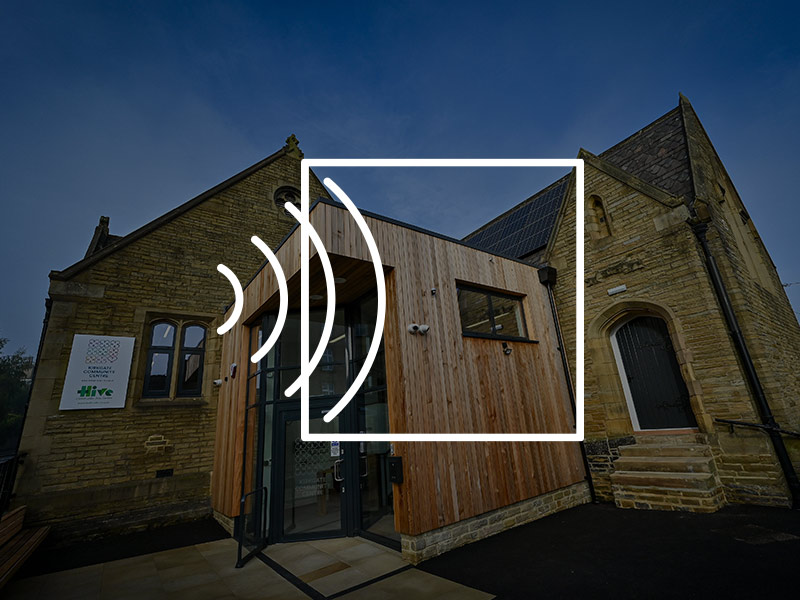
            Reverberation Testing, Consultancy, Design and Installation of Acoustic Panelling.

            Who we work with