











Acoustic Consultancy and Design for Breeam HEA05 and POL05.
IOA Members
Trade Accounts
Price Promise
Rapid Reports
Noise, Vibration & Dust Monitoring
Protect your project from complaints, delays, and enforcement action with real-time monitoring you can rely on.
Nationwide installation & support | Real-time alerts & reporting

Projects in 2025
1725
+
Projects to date
14248
+


Simple, fast & fully managed
Request a quote
Confirm your start date
On-site monitoring setup
Web portal & Ongoing Reporting
Ongoing Compliance
What our clients have to say
“I plucked this company out of the air and I am so glad I did. Jaime has been most helpful and produced a report within a short time scale. The service has been first class and I have absolutely no hesitation in recommending NOVA acoustics.”
– Arnot Wilson
“We commissioned NOVA to conduct a sound test at our new house. From the get go Adam was incredibly helpful and knowledgeable. It is rare to meet professionals like that, who also go above and beyond to help and guide you through the process.”
– Na’ama Zisser
“The engineer who conducted the testing was friendly, professional and incredibly thorough. Overall I would say that NOVA provided an outstanding service from start to finish and I would not hesitate to recommend them.”
– Joe Bentley
“Really pleased with the service received from NOVA Acoustics on a recent noise risk assessment of our production room. The engineer Tom was great throughout and the report was clear and has made managing our noise control measures simple and effective.”
– Daniel Pontin
“NOVA Acoustics have been beyond helpful. Super speedy response and excellent communication. The noise impact assessment has been completed at a very fair price, and I’m really happy I chose NOVA Acoustics for the job.”
– Kelly Creates
“I used NOVA for acoustic reports for a project I’m working on converting retail units to residential, they was prompt, informative and well priced. I wouldn’t hesitate to use them again.”
– Peter Goldthorpe
“We have used NOVA Acoustics for a sound testing for installation of a new floor. Tom the engineer was very thorough, prompt and professional.”
– Anna Jóga
“Ryan and his team were very professional, installing monitoring equipment regarding a proposed planning application. We can definitely recommend NOVA Acoustics Ltd.”
– Pauline Whittle
Noise, Vibration & Dust Monitoring Services
Who We Work With
Construction & Demolition Sites
Manufacturing & Industrial
Energy & Utilities
Data Centres & Plant Installations
Waste & Recycling
Infrastructure & Civil Engineering
Trade accounts with
preferential pricing.
Preferential pricing for ongoing projects, project coordination support, priority scheduling and dedicated contact.
Local expertise. Nationwide coverage.
- Fast site availability.
- Fast and clear reporting
- London & nationwide coverage.
Avoid complaints maintain compliance.
Monitoring noise, vibration, and dust near sensitive receptors is crucial to avoid complaints or action from the Local Authority. It helps keep your projects running smoothly and your neighbours happy.
Fully compliant monitoring solutions.
- Stay within planning and environmental limits
- Avoid stop notices, fines, and complaints
- Maintain full visibility of site conditions
- Nationwide installation & support
Book your assessment.
Frequently Asked Questions
Do I actually need noise, vibration or dust monitoring?
In many cases, yes — especially for construction, demolition, or industrial projects near residential or sensitive areas. Local authorities increasingly require monitoring as part of planning conditions or environmental permits.
Even when it’s not explicitly required, monitoring is often essential to protect your project. Without it, you risk complaints, enforcement action, or even stop notices if issues arise. Monitoring provides real-time evidence and control, helping you demonstrate compliance and avoid unnecessary disruption.
When is monitoring required?
Monitoring is typically required when:
- Planning conditions specify noise, vibration, or dust limits
- Your site is near residential properties, schools, or hospitals
- You are carrying out high-impact activities (e.g. piling, demolition)
- You are applying for Section 61 consent or similar approvals
Many projects now require continuous monitoring and reporting, not just one-off surveys, to demonstrate ongoing compliance.
What happens if I don’t install monitoring?
Without monitoring, you may:
- Breach planning conditions without realising
- Receive complaints from nearby residents
- Face enforcement action from the local authority
- Experience delays or project shutdowns
Monitoring acts as your early warning system, allowing you to identify and resolve issues before they escalate.
Is monitoring only needed for large projects?
No — even smaller projects can require monitoring if they are close to sensitive receptors or involve noisy or disruptive activities.
Local authorities focus more on impact and location than project size, so even short-term works can require monitoring depending on the risk.
Compliance, Risk & Regulations
How does monitoring help with compliance?
Monitoring provides continuous data showing that your site is operating within permitted limits. This is essential for demonstrating compliance with planning conditions and environmental regulations.
It allows you to:
- Prove compliance to local authorities
- Maintain records for audits or inspections
- Respond quickly to complaints with evidence
This is particularly important under regulations such as the Control of Pollution Act and BS 5228 guidance.
What happens if limits are exceeded?
If thresholds are exceeded, monitoring systems can trigger instant alerts via SMS or email, allowing you to take immediate action.
This might involve:
- Adjusting site activities
- Investigating the source of the issue
- Implementing mitigation measures
The key benefit is that you can respond before it becomes a complaint or enforcement issue.
Can monitoring help prevent complaints?
Yes — monitoring is one of the most effective ways to prevent complaints.
By tracking noise, vibration, and dust levels in real time, you can identify potential issues early and address them proactively. This helps maintain good relationships with neighbours and reduces the risk of disputes or formal complaints.
Will monitoring satisfy local authority requirements?
Yes — when properly implemented, monitoring systems provide the data and reporting required by local authorities.
We can also liaise directly with environmental health officers to agree monitoring strategies, ensuring your setup meets all requirements from the outset.
Types of Monitoring
What is noise monitoring?
Noise monitoring involves measuring sound levels on your site to ensure they remain within permitted limits.
It helps:
- Prevent disturbance to nearby residents
- Demonstrate compliance with planning conditions
- Avoid complaints and enforcement action
Modern systems provide continuous, real-time monitoring, giving you full visibility of site noise levels.
What is vibration monitoring?
Vibration monitoring measures ground or structural movement caused by activities such as piling, demolition, or heavy machinery.
It is used to:
- Protect nearby buildings from damage
- Ensure compliance with standards such as BS 7385
- Provide reassurance to stakeholders and neighbours
What is dust monitoring?
Dust monitoring measures airborne particles (e.g. PM10, PM2.5) to assess air quality around your site.
It helps:
- Protect public health and nearby properties
- Comply with environmental regulations
- Prevent complaints related to dust emissions
Can all three be monitored together?
Yes — most projects benefit from a combined monitoring approach covering noise, vibration, and dust.
This provides a complete picture of your site’s environmental impact, ensuring nothing is missed and simplifying compliance.
Technology & Data
Will I be able to see the data?
Yes — you’ll have access to a secure online platform where you can view real-time data, historical trends, and reports.
Data can also be displayed on a customisable website or dashboard, making it easy to share with stakeholders if required.
Do I get alerts if something goes wrong?
Yes — systems can be configured with threshold limits that trigger instant alerts via SMS or email.
This allows you to respond immediately and prevent issues from escalating.
Is the monitoring data reliable?
Yes — monitoring systems use high-accuracy equipment compliant with recognised standards (e.g. Class 1 sound level meters).
This ensures your data is robust, defensible, and suitable for regulatory use.
Can monitoring systems run without mains power?
Yes — systems can operate using:
- 240V or 110V power
- Battery power
- Solar power
This flexibility allows monitoring to be deployed on virtually any site.
Timescales & Setup
How quickly can monitoring be installed?
Monitoring systems can typically be installed within a few days, depending on site access and requirements.
For urgent projects, rapid deployment is often available to ensure compliance from the earliest stages of work.
How long does monitoring stay in place?
Monitoring duration is flexible and can be tailored to your project, including:
- Short-term monitoring for specific activities
- Medium-term monitoring during key phases
- Long-term monitoring for ongoing projects
Flexible options allow you to scale monitoring based on your needs.
Do I need monitoring for the entire project?
Not always — monitoring requirements depend on the type of work and planning conditions.
Some projects only require monitoring during high-risk activities, while others require continuous monitoring throughout. We can help define the most appropriate strategy.
Costs & Value
How much does monitoring cost?
Costs vary depending on:
- Number of monitoring locations
- Duration of monitoring
- Type of monitoring required (noise, vibration, dust)
- Level of service (hire-only vs fully managed)
We offer flexible, cost-effective packages tailored to your project requirements.
Is monitoring worth the cost?
Yes — monitoring is often far more cost-effective than dealing with:
- Project delays
- Enforcement action
- Complaints and disputes
- Retrospective mitigation
It acts as insurance for your project, protecting both your timeline and reputation.
Can I hire equipment instead of a full service?
Yes — we offer both:
- Hire-only solutions with automated reporting
- Fully managed services including setup, monitoring, and consultancy
This allows you to choose the level of support that best suits your project.
Working With NOVA Acoustics
Do you offer nationwide coverage?
Yes — we provide monitoring services across the UK, with experienced consultants and engineers available for rapid deployment.
Can you help set up a monitoring strategy?
Yes — we can advise on:
- Monitoring locations
- Threshold limits
- Compliance requirements
- Reporting formats
We can also liaise with local authorities to agree the monitoring approach.
What makes NOVA Acoustics different?
We provide:
- Real-time, cloud-based monitoring systems
- Fast installation and flexible solutions
- Clear, actionable data and reporting
- Full support from experienced consultants
Our focus is on helping you stay compliant and keep your project moving.
Is everything handled for me?
Yes — if you choose a fully managed service, we handle everything from setup and monitoring to reporting and support.
This ensures a hassle-free experience, allowing you to focus on delivering your project.
Recent Projects
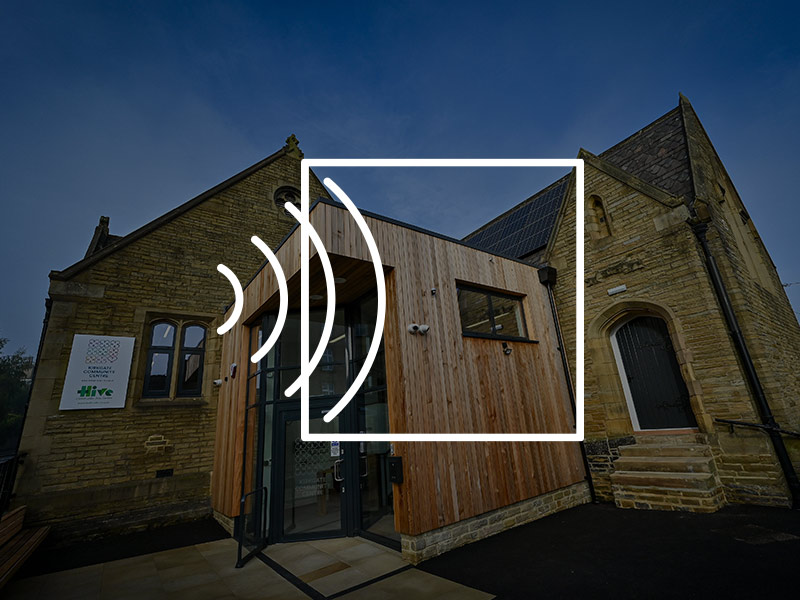
Reverberation Testing, Consultancy, Design and Installation of Acoustic Panelling.
Acoustic Consultancy and Design for RIBA Stages 3 and 4 for redevelopment to form a Hotel.
Who we work with